Introduction
This comprehensive article will explore the different aspects of solar power system integration, including its benefits, components, design considerations, installation processes, and future prospects.
I. Benefits of Solar Power System Integration
Renewable Energy Source
Solar power is a clean and renewable energy source that does not deplete natural resources or produce harmful emissions. By integrating solar power systems, we can reduce our reliance on fossil fuels and contribute to a more sustainable future.
Cost Savings
Over time, solar power systems can lead to significant cost savings on electricity bills. Once the initial investment is made, the system can generate electricity for free, reducing or even eliminating the need to purchase electricity from the grid. Additionally, many governments and utilities offer incentives and rebates for installing solar power systems, further reducing the overall cost.
Energy Independence
With a solar power system integrated into your home or business, you can become more energy independent. You are less reliant on the grid and can generate your own electricity, even during power outages. This can provide a sense of security and stability.
Increased Property Value
Installing a solar power system can increase the value of your property. Potential buyers are often attracted to homes and businesses with sustainable energy features, as they offer long-term cost savings and environmental benefits.
Environmental Impact
Solar power systems have a minimal environmental impact. They do not produce air or water pollution, and they require very little land compared to other energy sources. By choosing solar power, we can help protect the environment and preserve natural resources.
II. Components of a Solar Power System
Solar Panels
Solar panels are the heart of a solar power system. They are made up of photovoltaic cells that convert sunlight into direct current (DC) electricity. There are different types of solar panels available, including monocrystalline, polycrystalline, and thin-film panels, each with its own advantages and disadvantages in terms of efficiency, cost, and durability.
Inverter
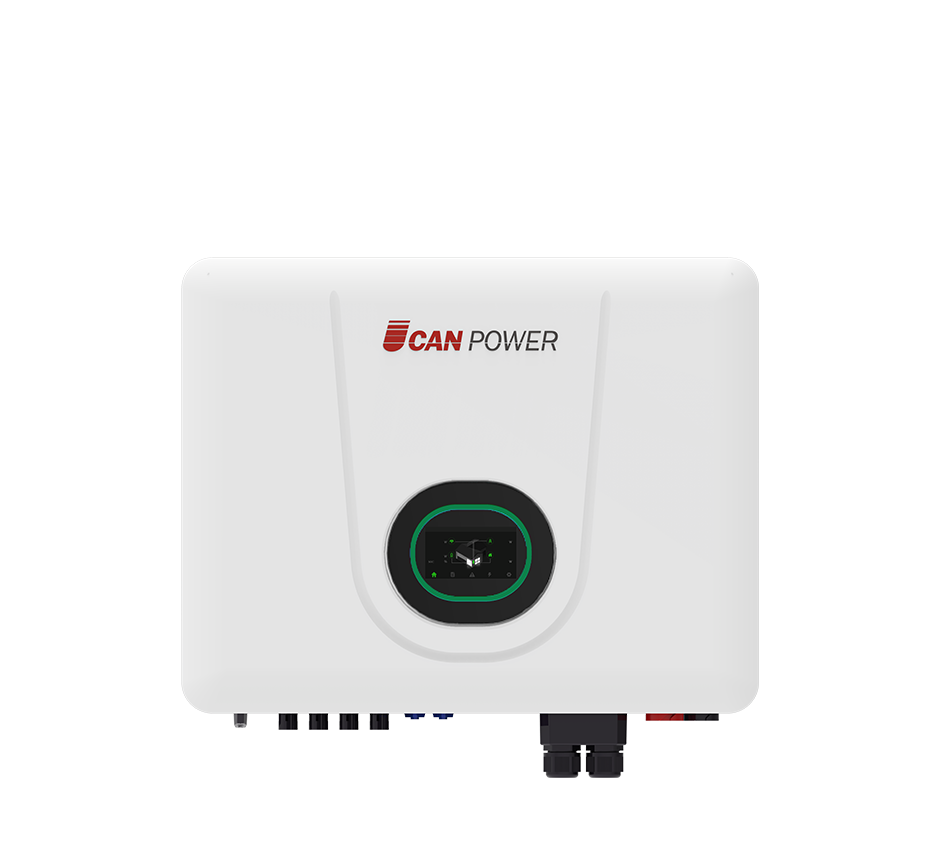
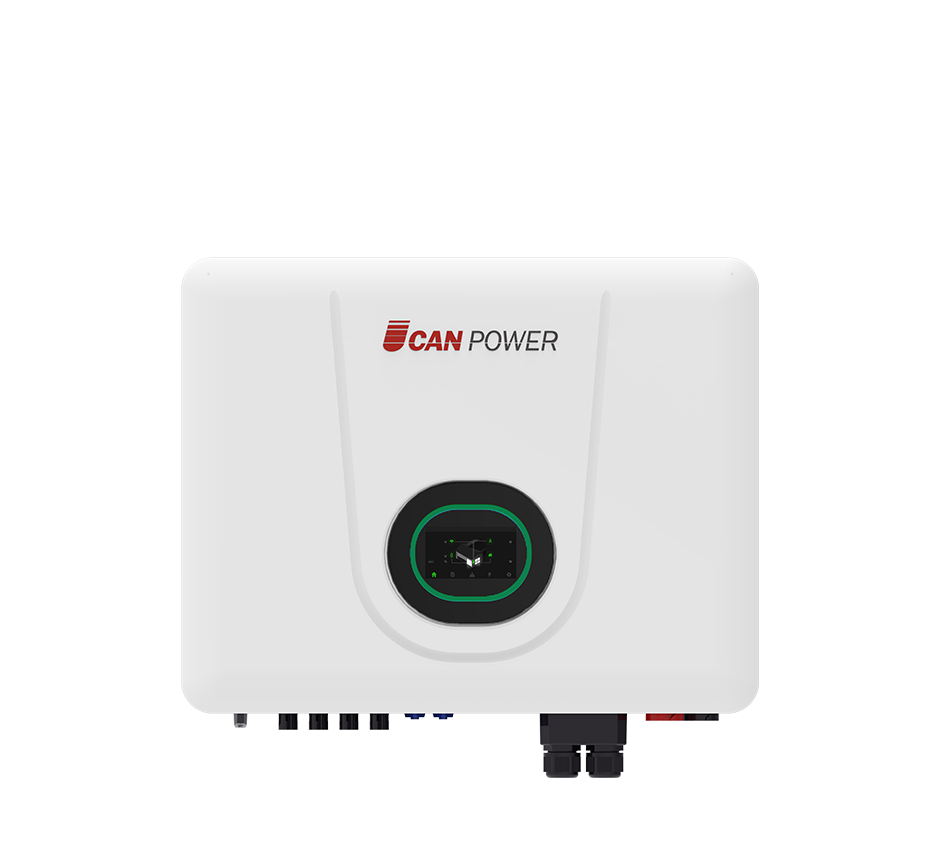
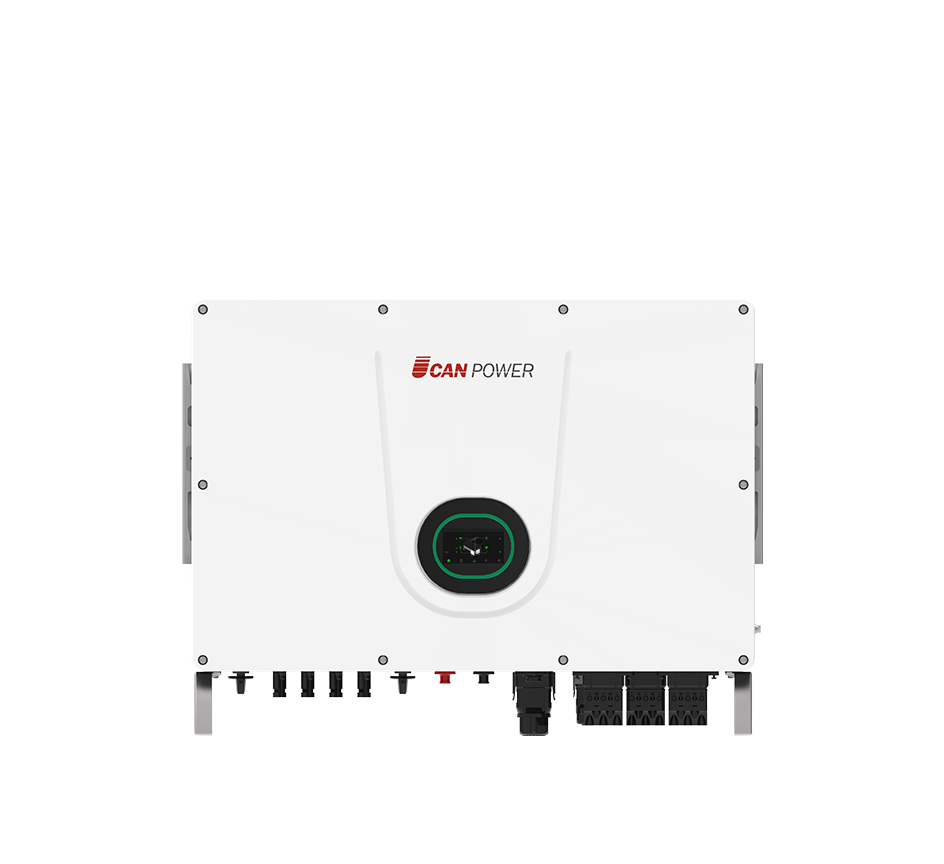
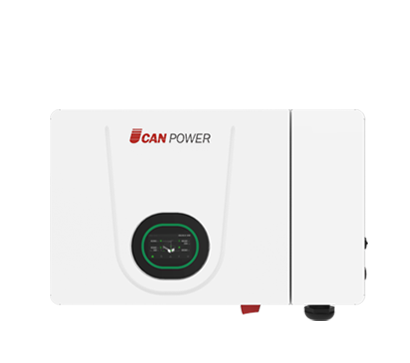
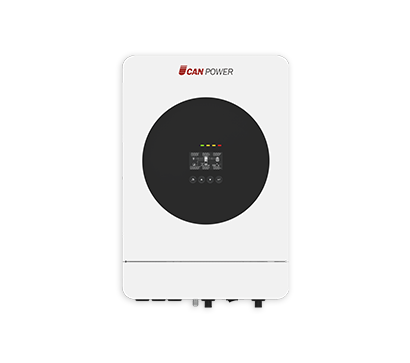
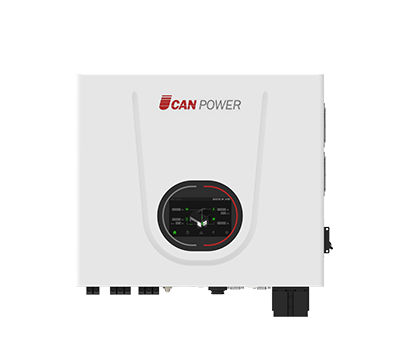
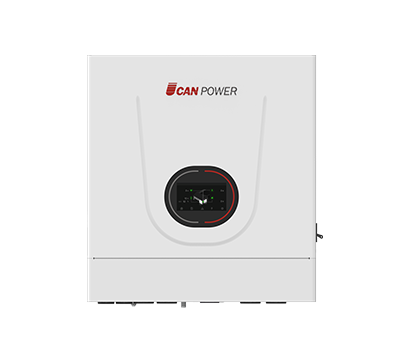
The inverter is a crucial component that converts the DC electricity generated by the solar panels into alternating current (AC) electricity that can be used to power your home or business. Inverters come in different sizes and power ratings, and it is important to select one that is compatible with your solar panel system and electrical load requirements.
Mounting System
The mounting system is used to secure the solar panels to your roof or other installation location. There are several types of mounting systems available, including roof-mounted, ground-mounted, and pole-mounted systems. The choice of mounting system depends on factors such as your location, roof type, and available space.
Battery Storage (Optional)
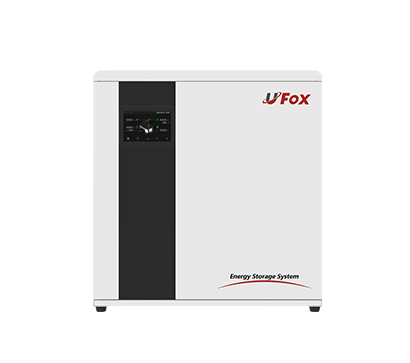
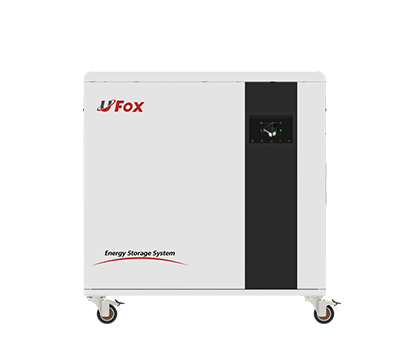
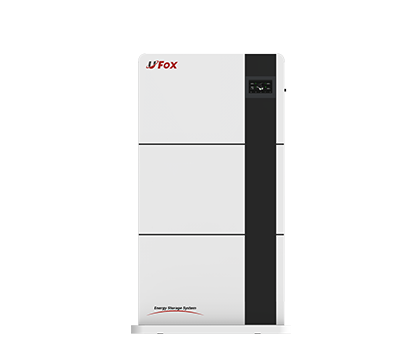
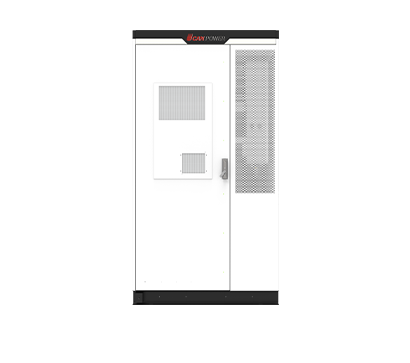
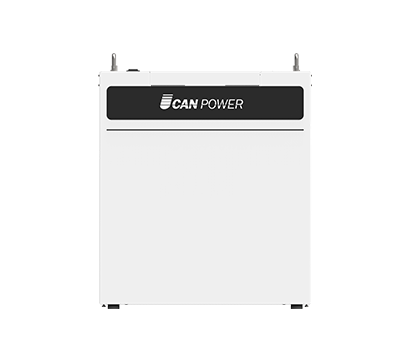
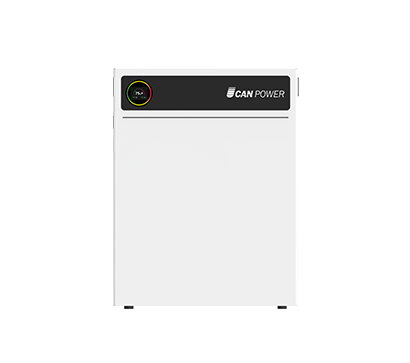
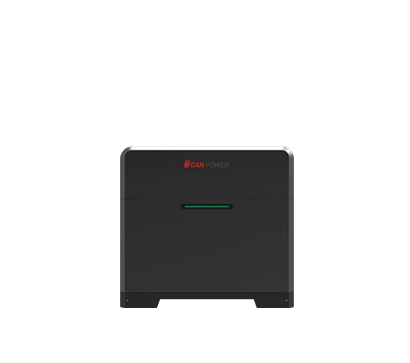
If you want to store excess solar energy for use during times when the sun is not shining, you can add battery storage to your solar power system. Batteries come in different sizes and chemistries, and it is important to select one that is compatible with your solar panel system and energy storage needs.
Monitoring System
A monitoring system allows you to track the performance of your solar power system in real-time. It can provide information such as energy production, system efficiency, and battery status. Monitoring systems can be stand-alone devices or integrated into your inverter or other components.
III. Design Considerations for Solar Power System Integration
Site Assessment
Before integrating a solar power system, it is important to conduct a site assessment to determine the suitability of your location for solar energy generation. This includes evaluating factors such as sunlight exposure, shading, roof orientation, and available space. A professional solar installer can perform a site assessment and provide recommendations on the best system design for your specific needs.
System Size
The size of your solar power system depends on your energy consumption requirements and the available sunlight at your location. A larger system will generate more electricity, but it will also cost more. It is important to balance your energy needs with your budget and available space when determining the size of your system.
Energy Storage Needs
If you want to store excess solar energy for use during times when the sun is not shining, you need to consider your energy storage needs. This includes determining the size of the battery bank and the type of battery chemistry that is best suited for your application. Energy storage can increase the cost and complexity of your solar power system, but it can also provide greater energy independence and reliability.
Grid Connection
If you are connected to the grid, you need to consider how your solar power system will interact with the grid. This includes determining whether you will be using net metering, where excess electricity is sent back to the grid and you receive credit for it, or whether you will be using a standalone system with battery storage. It is important to understand the regulations and requirements for grid connection in your area.
System Reliability and Maintenance
Solar power systems require minimal maintenance, but it is important to ensure that your system is reliable and will continue to operate efficiently over time. This includes selecting high-quality components, performing regular inspections and maintenance, and having a plan in place for system repairs if needed.
IV. Installation Process for Solar Power System Integration
Permitting and Approvals
Before installing a solar power system, you may need to obtain permits and approvals from your local government or utility company. This can include building permits, electrical permits, and interconnection agreements. A professional solar installer can help you navigate the permitting process and ensure that all requirements are met.
System Design and Engineering
Once the permits are obtained, a professional solar installer will design and engineer your solar power system. This includes determining the layout of the solar panels, sizing the inverter and other components, and designing the electrical wiring and connections. The installer will also take into account factors such as shading, roof structure, and electrical load requirements.
Installation
The installation process typically involves mounting the solar panels on your roof or other installation location, connecting the electrical wiring, and installing the inverter and other components. The installation process can take several days to complete, depending on the size and complexity of your system.
Inspection and Commissioning
After the installation is complete, your solar power system will need to be inspected by a local inspector or utility company representative to ensure that it meets all safety and electrical code requirements. Once the inspection is passed, the system can be commissioned and turned on.
Monitoring and Maintenance
After your solar power system is installed and commissioned, it is important to monitor its performance and perform regular maintenance to ensure that it continues to operate efficiently. This includes checking the inverter and other components for any signs of damage or malfunction, cleaning the solar panels to remove dirt and debris, and monitoring the energy production and system efficiency.
V. Future Prospects of Solar Power System Integration
Technological Advancements
As technology continues to advance, solar power systems are becoming more efficient, reliable, and cost-effective. New materials and manufacturing processes are being developed to improve the performance of solar panels, while advances in inverter technology and energy storage are making solar power systems more flexible and useful.
Increased Adoption
The adoption of solar power systems is expected to continue to grow in the coming years, as more people become aware of the benefits of renewable energy and the cost savings associated with solar power. Government incentives, falling prices, and improved technology are all contributing to the increased adoption of solar power.
Integration with Other Energy Sources
Solar power systems can be integrated with other energy sources, such as wind turbines, hydroelectric power, and energy storage, to create a more sustainable and reliable energy mix. This can help to reduce reliance on fossil fuels and improve energy security.
Smart Grid Integration
As the smart grid continues to develop, solar power systems can play an important role in grid stability and reliability. Smart inverters and energy management systems can be used to optimize the flow of electricity between the solar power system and the grid, while also providing valuable data and analytics for grid operators.
Community and Distributed Energy
Solar power systems can be installed at the community or neighborhood level, creating distributed energy resources that can provide power to multiple homes and businesses. This can help to increase energy resilience and reduce the need for large centralized power plants.
Conclusion
Solar power system integration offers a promising solution for meeting our energy needs in a sustainable and cost-effective way. By combining solar panels, inverters, mounting systems, battery storage, and monitoring systems, we can create a functional and efficient solar power system that provides clean and renewable energy. With the continued advancements in technology and the increasing adoption of solar power, we can look forward to a future where solar energy plays a major role in our energy mix.





 German
 Italian
 Japanese
 Global (English)
 Chinese
 Spanish
 French


