

In today's rapidly evolving world of energy storage and power generation, stackable high voltage batteries are emerging as a game-changing technology. These innovative power sources offer a range of benefits and applications that have the potential to transform multiple industries and contribute to a more sustainable future. In this in-depth exploration, we will delve into the world of stackable high voltage batteries, examining their technology, advantages, challenges, and future prospects.
I. Introduction to Stackable High Voltage Batteries
A. The Need for Advanced Energy Storage Solutions
As the demand for clean and reliable energy continues to grow, the need for advanced energy storage solutions becomes increasingly critical. Traditional batteries often fall short in meeting the requirements of high-power applications, such as electric vehicles, renewable energy integration, and grid-scale storage. Stackable high voltage batteries offer a promising alternative, providing increased energy density, scalability, and flexibility.
B. What Are Stackable High Voltage Batteries?
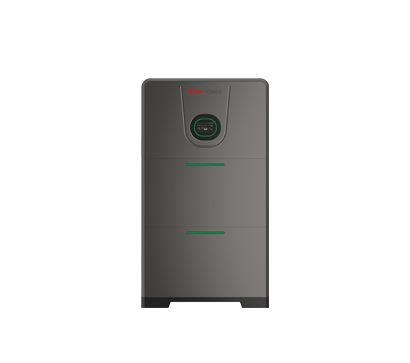
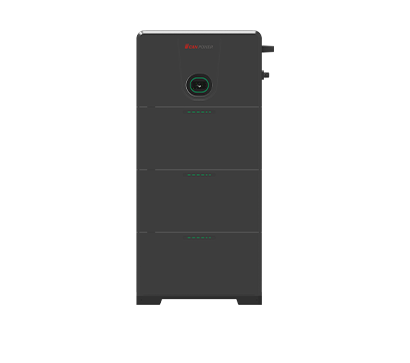
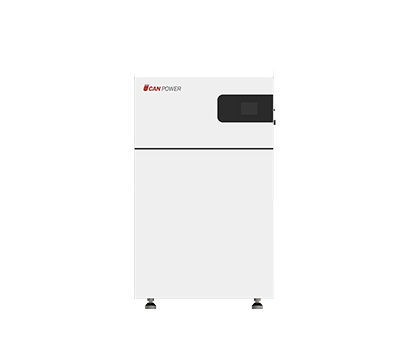
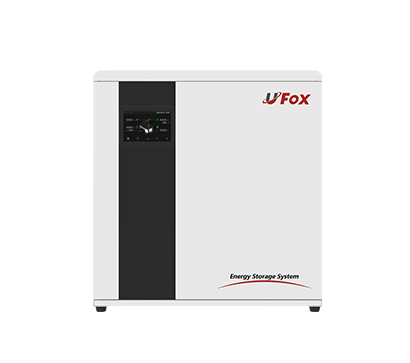
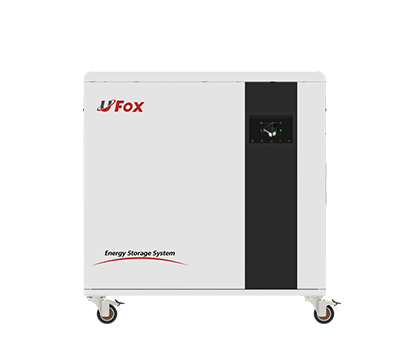
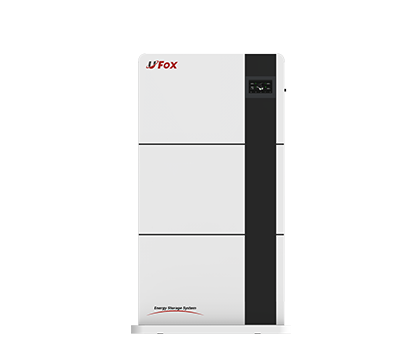
Stackable high voltage batteries are modular battery systems that can be stacked or connected in series to achieve higher voltage and energy capacity. These batteries are typically composed of individual battery cells that are designed to be easily assembled and disassembled, allowing for customization and expansion as needed. The stackable design enables efficient use of space and simplifies installation and maintenance.
II. Technology and Components of Stackable High Voltage Batteries
A. Battery Cell Technology
The heart of a stackable high voltage battery is the battery cell. Various types of battery cells can be used, including lithium-ion, lithium polymer, and solid-state batteries. Each type has its own unique characteristics and advantages, such as high energy density, long cycle life, and safety features. The choice of battery cell technology depends on the specific application requirements and performance goals.
B. Stacking Mechanism and Interconnects
The stacking mechanism and interconnects play a crucial role in ensuring the reliability and performance of stackable high voltage batteries. These components must be designed to handle high voltages and currents while maintaining electrical isolation and mechanical stability. Various stacking methods, such as parallel stacking and series stacking, can be employed to achieve different voltage and capacity requirements.
C. Battery Management System (BMS)
A sophisticated battery management system is essential for the safe and efficient operation of stackable high voltage batteries. The BMS monitors and controls various parameters, such as voltage, current, temperature, and state of charge, to prevent overcharging, over-discharging, and thermal runaway. It also provides communication interfaces for monitoring and control, and can be integrated with other systems for advanced energy management.
III. Advantages of Stackable High Voltage Batteries
A. Increased Energy Density and Capacity
Stackable high voltage batteries offer higher energy density than many traditional battery systems, allowing for more energy to be stored in a smaller space. This is particularly beneficial for applications where space is limited, such as electric vehicles and portable electronics. Additionally, the stackable design enables easy expansion of the battery system, allowing for increased capacity as needed.
B. Scalability and Flexibility
The modular nature of stackable high voltage batteries provides significant scalability and flexibility. Batteries can be added or removed as needed to meet changing power requirements, making them suitable for a wide range of applications from small-scale consumer electronics to large-scale industrial and grid-scale storage. This flexibility also allows for easy customization and optimization of the battery system for specific applications.
C. Improved Performance and Reliability
Stackable high voltage batteries often exhibit improved performance characteristics compared to traditional batteries. They can deliver higher power outputs, faster charging times, and longer cycle lives. Additionally, the modular design and advanced BMS contribute to enhanced reliability by reducing the risk of single-point failures and enabling easier maintenance and replacement of individual battery cells.
D. Environmental Sustainability
As the world moves towards a more sustainable future, stackable high voltage batteries can play a significant role in reducing greenhouse gas emissions and promoting the use of renewable energy sources. By enabling efficient energy storage and integration of renewable energy, these batteries can help to reduce reliance on fossil fuels and contribute to a cleaner environment.
IV. Applications of Stackable High Voltage Batteries
A. Electric Vehicles
Stackable high voltage batteries are a key enabler for the growth of electric vehicles. Their high energy density and power output can provide longer driving ranges and faster acceleration, while their modular design allows for easy integration into different vehicle platforms. Additionally, the ability to stack batteries can enable vehicle manufacturers to offer different battery pack sizes to meet the diverse needs of consumers.
B. Renewable Energy Integration
In the field of renewable energy, stackable high voltage batteries can be used for energy storage and grid stabilization. They can store excess energy generated by solar panels and wind turbines during periods of high production and release it when needed, helping to smooth out the intermittent nature of renewable energy sources. This can improve the reliability and efficiency of renewable energy systems and reduce the need for backup fossil fuel generators.
C. Industrial and Commercial Applications
Stackable high voltage batteries are also finding applications in industrial and commercial settings. They can be used for backup power, peak shaving, and load leveling, reducing energy costs and improving power quality. In manufacturing plants, for example, batteries can be used to store energy during off-peak hours and release it during peak production times, reducing demand charges and improving energy efficiency.
D. Portable Electronics and Power Tools
For portable electronics and power tools, stackable high voltage batteries offer increased power and longer runtimes. Their modular design allows for easy replacement of depleted battery cells, extending the lifespan of the device. Additionally, the ability to stack batteries can provide higher voltage and power outputs, enabling more powerful devices.
V. Challenges and Limitations of Stackable High Voltage Batteries
A. Safety Concerns
High voltage batteries pose certain safety risks, such as the potential for thermal runaway, short circuits, and fire. To address these concerns, strict safety standards and regulations must be in place, and advanced battery management systems and safety features must be implemented. Additionally, proper training and handling procedures are essential to ensure the safe operation and maintenance of stackable high voltage batteries.
B. Cost and Affordability
The initial cost of stackable high voltage batteries can be relatively high compared to traditional battery systems. However, as the technology matures and production volumes increase, costs are expected to come down. Additionally, the long-term benefits of increased energy efficiency, reduced maintenance costs, and environmental sustainability can offset the initial investment.
C. Charging Infrastructure
The widespread adoption of stackable high voltage batteries requires a robust charging infrastructure. Fast-charging stations and advanced charging technologies must be developed to meet the needs of high-power applications. Additionally, interoperability and standardization of charging systems are essential to ensure seamless integration and compatibility across different battery types and applications.
D. Environmental Impact
Although stackable high voltage batteries offer environmental benefits compared to fossil fuels, their production and disposal can still have an environmental impact. The extraction and processing of raw materials, such as lithium and cobalt, can lead to environmental degradation and resource depletion. Additionally, proper recycling and disposal methods must be developed to minimize the environmental impact of end-of-life batteries.
VI. Future Prospects of Stackable High Voltage Batteries
A. Technological Advancements
As research and development efforts continue, we can expect to see significant technological advancements in stackable high voltage batteries. This includes the development of new battery chemistries with higher energy densities, longer cycle lives, and improved safety features. Additionally, advances in manufacturing processes and materials science will lead to more cost-effective and efficient production methods.
B. Market Growth and Adoption
The market for stackable high voltage batteries is expected to grow rapidly in the coming years, driven by increasing demand for clean energy storage and electric transportation. As costs continue to decline and performance improves, more industries and applications will adopt this technology. Government incentives and regulations promoting renewable energy and energy storage will also contribute to market growth.
C. Integration with Smart Grids and Energy Management Systems
Stackable high voltage batteries can play a crucial role in the development of smart grids and advanced energy management systems. By providing flexible and scalable energy storage, these batteries can help to optimize energy distribution, improve grid stability, and enable the integration of more renewable energy sources. Additionally, the ability to communicate and interact with other grid components will enable more intelligent energy management.
D. Sustainability and Circular Economy
In the future, stackable high voltage batteries will need to be designed with sustainability in mind. This includes the use of environmentally friendly materials, efficient manufacturing processes, and proper recycling and disposal methods. The development of a circular economy for batteries will ensure that resources are conserved and waste is minimized, contributing to a more sustainable future.
stackable high voltage batteries represent a promising technology with the potential to transform the energy storage and power generation landscape. With their increased energy density, scalability, and flexibility, these batteries offer a wide range of benefits and applications across multiple industries. However, to fully realize their potential, challenges such as safety, cost, and charging infrastructure must be addressed. With continued research and development, and the support of government policies and market forces, stackable high voltage batteries are poised to play a significant role in powering the future.




 German
 Italian
 Japanese
 Global (English)
 Chinese
 Spanish
 French


