

Introduction:
In the realm of renewable energy, photovoltaic (PV) inverter systems play a crucial role in converting the direct current (DC) power generated by solar panels into alternating current (AC) power that can be used in homes, businesses, and the electrical grid. These systems are essential for maximizing the efficiency and reliability of solar power installations. In this comprehensive article, we will explore the various aspects of photovoltaic inverter systems, including their types, functions, components, and the factors to consider when choosing one.
I. What are Photovoltaic Inverter Systems?
A photovoltaic inverter system is a device that converts the DC power generated by solar panels into AC power. Solar panels produce DC electricity, which is not compatible with most electrical appliances and the electrical grid. The inverter converts this DC power into AC power, which can be used to power lights, appliances, and other electrical devices. In addition to converting power, photovoltaic inverters also perform other important functions such as monitoring the performance of the solar panels, protecting the system from electrical faults, and communicating with other components of the solar power installation.
II. Types of Photovoltaic Inverter Systems
1. String Inverters
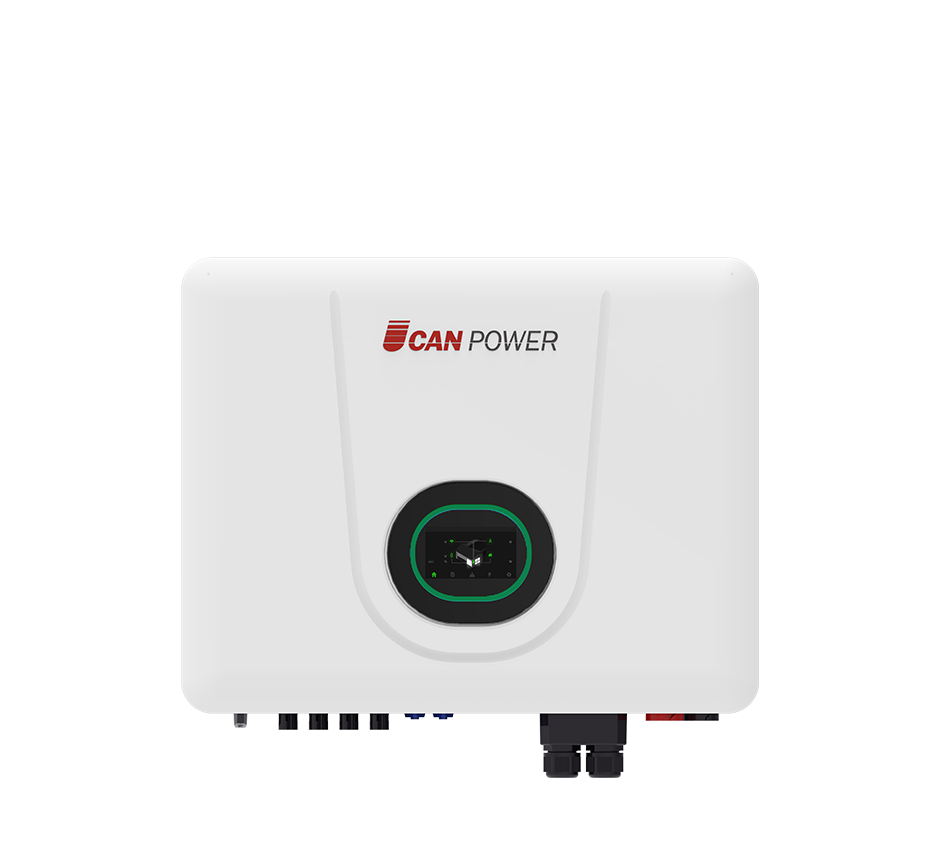
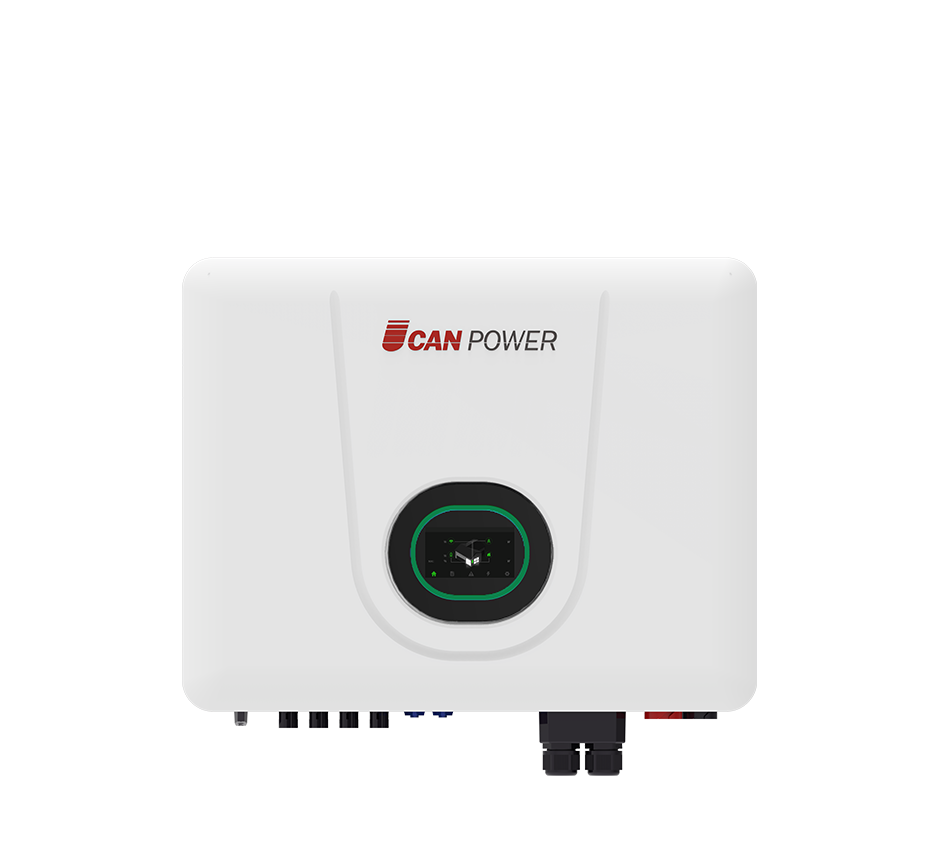
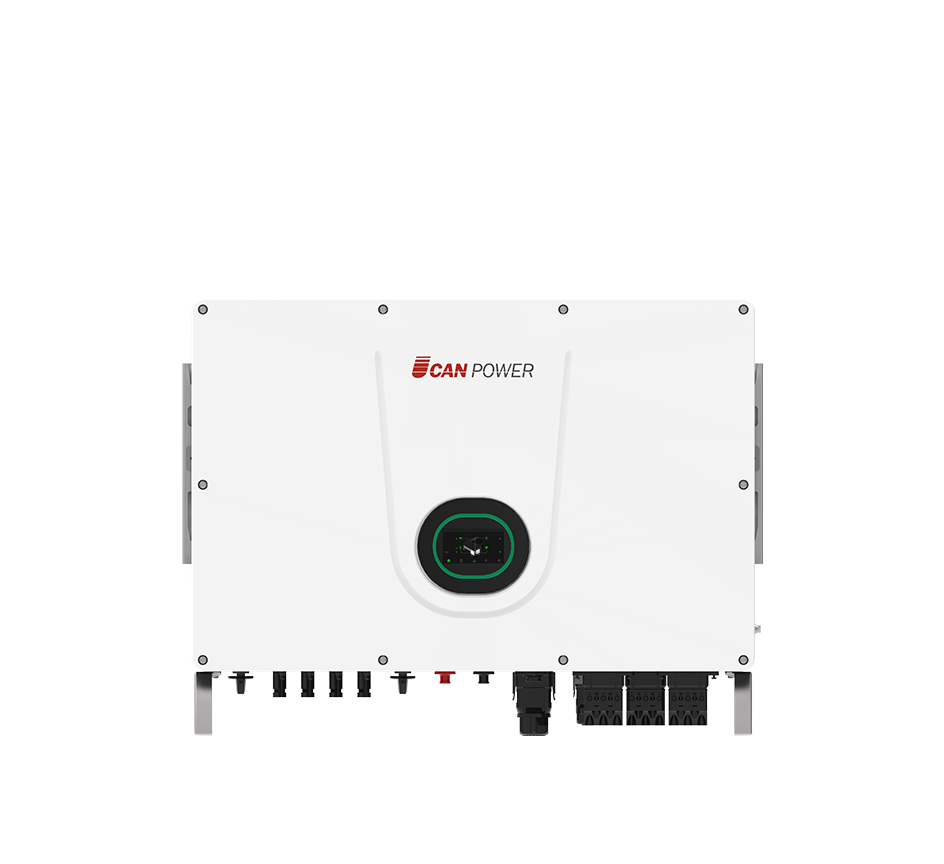
String inverters are the most common type of photovoltaic inverter. They are connected to a string of solar panels and convert the DC power generated by the panels into AC power. String inverters are available in different power ratings and can be used in small to large-scale solar power installations. One of the advantages of string inverters is their simplicity and ease of installation. However, they may not be the most efficient option for installations with shaded panels or panels with different orientations.
2. Microinverters
Microinverters are small inverters that are connected to each individual solar panel. They convert the DC power generated by the panel into AC power and send it directly to the electrical grid or an electrical load. Microinverters offer several advantages over string inverters, including better performance in shaded conditions, increased energy production, and easier installation. However, they are generally more expensive than string inverters.
3. Power Optimizers with Central Inverters
Power optimizers are devices that are connected to each solar panel and optimize the power output of the panel. They work in conjunction with a central inverter to convert the DC power generated by the panels into AC power. Power optimizers offer some of the advantages of microinverters, such as better performance in shaded conditions, while also providing the scalability and cost-effectiveness of string inverters.
III. Functions of Photovoltaic Inverter Systems
1. Power Conversion
The primary function of a photovoltaic inverter is to convert the DC power generated by solar panels into AC power. This conversion is necessary because most electrical appliances and the electrical grid operate on AC power. Inverters use advanced electronics and control algorithms to ensure efficient and reliable power conversion.
2. Monitoring and Control
Photovoltaic inverters also perform monitoring and control functions to ensure the optimal performance of the solar power installation. They monitor the voltage, current, and power output of the solar panels and adjust the conversion process accordingly. Inverters can also detect faults and protect the system from electrical hazards such as overvoltage, overcurrent, and short circuits.
3. Communication
Many photovoltaic inverters are equipped with communication capabilities that allow them to communicate with other components of the solar power installation, such as solar panel monitors, energy meters, and smart grid systems. This communication enables real-time monitoring of the system's performance, remote control of the inverter, and integration with smart grid technologies.
4. Grid Interaction
Photovoltaic inverters are designed to interact with the electrical grid in a safe and reliable manner. They can synchronize their output with the grid frequency and voltage, and can also provide reactive power support to the grid if needed. Inverters can also detect grid faults and disconnect from the grid automatically to protect the system and prevent damage.
IV. Components of Photovoltaic Inverter Systems
1. Input Stage
The input stage of a photovoltaic inverter is connected to the solar panels and receives the DC power generated by the panels. This stage typically consists of a DC switch, fuses, and surge protection devices to protect the inverter from electrical faults.
2. Power Conversion Stage
The power conversion stage is the heart of the inverter and is responsible for converting the DC power into AC power. This stage typically consists of power electronics devices such as insulated gate bipolar transistors (IGBTs) or metal-oxide-semiconductor field-effect transistors (MOSFETs), and a transformer or inductive filter to smooth the output waveform.
3. Output Stage
The output stage of the inverter is connected to the electrical grid or an electrical load and delivers the AC power. This stage typically consists of an AC switch, fuses, and surge protection devices to protect the inverter and the electrical system from electrical faults.
4. Control and Monitoring System
The control and monitoring system of the inverter is responsible for controlling the power conversion process, monitoring the system's performance, and communicating with other components of the solar power installation. This system typically consists of a microcontroller or digital signal processor (DSP), sensors, and communication interfaces.
V. Factors to Consider When Choosing a Photovoltaic Inverter System
1. Power Rating
The power rating of the inverter should be matched to the power output of the solar panels. Choosing an inverter with a power rating that is too low can result in underutilization of the solar panels, while choosing an inverter with a power rating that is too high can be wasteful and expensive.
2. Efficiency
The efficiency of the inverter is an important factor to consider as it determines how much of the solar power generated by the panels is converted into usable AC power. Higher efficiency inverters can result in increased energy production and lower electricity bills.
3. Reliability
The reliability of the inverter is crucial for the long-term performance of the solar power installation. Look for inverters from reputable manufacturers with a proven track record of reliability and durability.
4. Compatibility
The inverter should be compatible with the solar panels, electrical grid, and other components of the solar power installation. Check for compatibility requirements such as voltage range, frequency, and communication protocols.
5. Cost
The cost of the inverter is an important consideration, but it should not be the only factor. Consider the long-term benefits of a high-quality inverter, such as increased energy production and reliability, when evaluating the cost.
VI. Installation and Maintenance of Photovoltaic Inverter Systems
1. Installation
Photovoltaic inverter systems should be installed by a qualified electrician or solar installer. The installer should follow the manufacturer's instructions and local electrical codes to ensure safe and proper installation. Inverters should be installed in a dry, cool, and well-ventilated location to ensure optimal performance and longevity.
2. Maintenance
Regular maintenance of photovoltaic inverter systems is essential for ensuring their optimal performance and longevity. Maintenance tasks may include cleaning the inverter's exterior, checking for loose connections, and monitoring the system's performance. Some inverters may also require firmware updates or calibration to ensure accurate operation.
VII. Future Trends in Photovoltaic Inverter Systems
1. Increased Efficiency
As the demand for solar power continues to grow, there is a need for more efficient photovoltaic inverter systems. Manufacturers are constantly researching and developing new technologies to improve the efficiency of inverters, such as advanced power electronics devices, improved cooling systems, and more efficient control algorithms.
2. Smart Inverters
Smart inverters are becoming increasingly popular as they offer advanced features such as remote monitoring, control, and optimization. These inverters can communicate with other components of the solar power installation and the electrical grid, enabling real-time monitoring of the system's performance and integration with smart grid technologies.
3. Hybrid Inverters
Hybrid inverters are designed to work with multiple energy sources, such as solar panels, batteries, and the electrical grid. These inverters can optimize the use of different energy sources and provide backup power during grid outages.
4. Integration with Energy Storage Systems
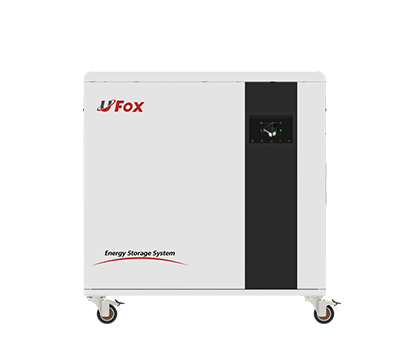
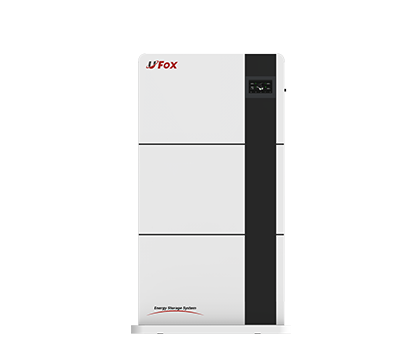
The integration of photovoltaic inverters with energy storage systems is becoming more common as it allows for more efficient use of solar power and provides backup power during outages. Inverters can be designed to work with different types of energy storage systems, such as batteries and supercapacitors.
Conclusion:
Photovoltaic inverter systems are essential components of solar power installations, converting the DC power generated by solar panels into AC power that can be used in homes, businesses, and the electrical grid. Understanding the different types, functions, components, and factors to consider when choosing a photovoltaic inverter system is crucial for maximizing the efficiency and reliability of solar power installations. With the continued growth of the solar power industry, we can expect to see further advancements in photovoltaic inverter technology, leading to more efficient, reliable, and intelligent solar power systems.




 German
 Italian
 Japanese
 Global (English)
 Chinese
 Spanish
 French


